Toronto tech analysis
Jensen Huang resigns as Nvidia CEO. What could it mean for Toronto tech?
A timeline of Jensen Huang’s Nvidia resignation and what the CEO transition could mean for Toronto AI researchers, startups and access to GPUs.
From the archive · Originally published November 12, 2026
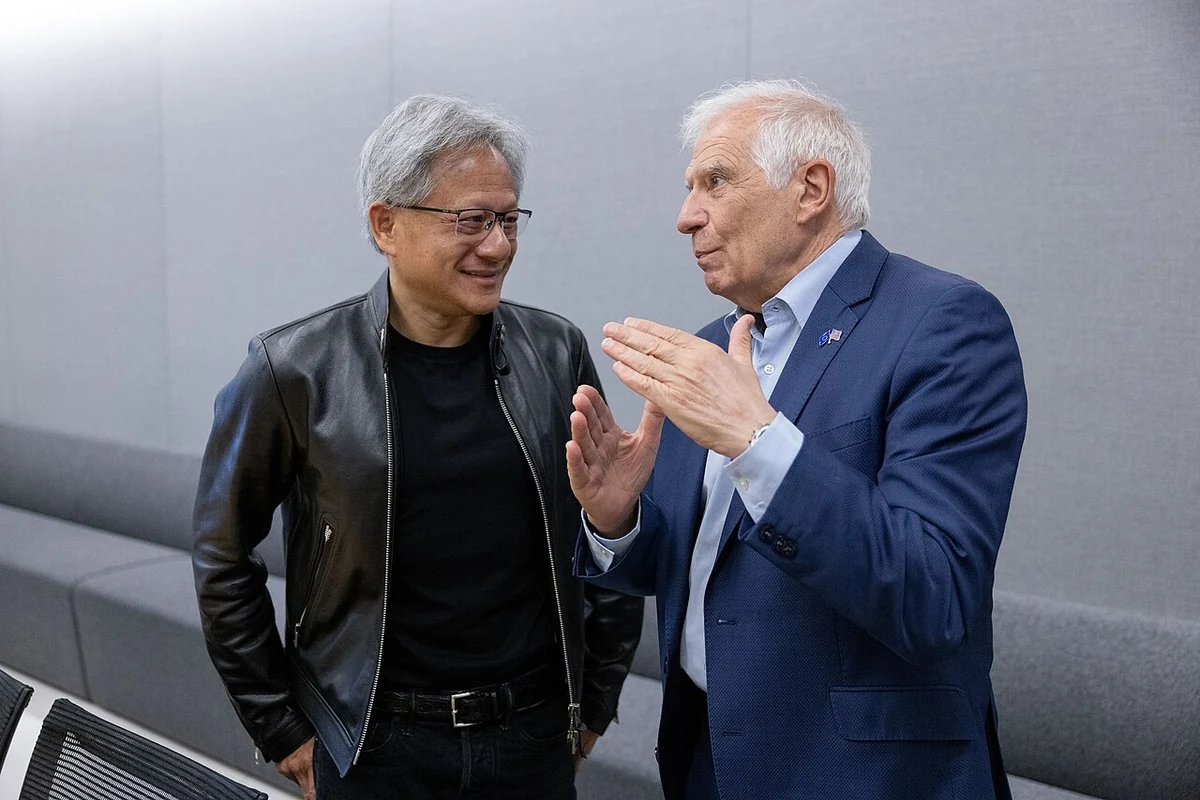
For a Toronto startup renting graphics processors by the hour, a change at Nvidia matters when it changes the bill, the wait for a cluster, or the hardware available in a Canadian data centre. For researchers, it matters when it changes who gets access to those machines or how much the company invests in its Toronto lab. Those are the questions facing the city’s tech sector after Nvidia announced on Nov. 12 that co-founder Jensen Huang had resigned as CEO and left the board. Chief financial officer Colette Kress took over as interim CEO while the board searches for a permanent successor. Nvidia’s CEO transition announcement
The board says it expects operations, customer commitments and product plans to continue without interruption. Its announcement gave no Toronto-specific updates. The local stakes are in decisions that will take longer to surface, from research budgets to the availability of high-end chips. Nvidia’s statement
How the Nvidia investigation led to Jensen Huang’s resignation
The story began with questions about where Nvidia chips were going. It eventually reached Nvidia’s board as a question about what information its chief executive might have shared. This chronology draws on reporting by Robbie Whelan and Amrith Ramkumar, Nvidia’s statements and the U.S. Commerce Department. The Wall Street Journal’s timeline
- 2023 to late 2024. Megaspeed spun out of China’s 7Road Holdings with plans to rent computing capacity from Southeast Asian data centres built with Nvidia chips. In June 2024, Jensen Huang and Megaspeed executive Alice Huang were photographed together with other industry executives in Taipei. Later that year, U.S. Commerce Department investigators began looking into whether Megaspeed had diverted chips to China. The Wall Street Journal
- May to October 2025. The two were photographed again at a Taipei dinner in May. On Oct. 9, The New York Times reported on the federal inquiry and the executives’ connections. On Oct. 28, Jensen Huang praised Donald Trump’s policies at an Nvidia summit in Washington. Two days later, Trump met Chinese President Xi Jinping in Busan, South Korea. The Journal reported that administration officials persuaded Trump to withhold approval for Nvidia’s Blackwell chips to be sold in China. The Wall Street Journal
- December 2025 to January 2026. Trump announced a pathway for Nvidia’s less powerful H200 to reach approved customers in China. In January, the Commerce Department said it would review H200 export licence applications case by case, subject to security conditions. U.S. Bureau of Industry and Security
- Spring to October 2026. According to the Journal, Secretary of State Marco Rubio oversaw work on a classified memo about Huang’s relationship with the Megaspeed executive, and the Justice Department had taken the lead on the Megaspeed inquiry. Huang joined Trump’s China trip on May 13. Trump called into a Sept. 14 recording of the All-In podcast and praised Huang. On Oct. 8, Trump awarded him the National Medal of Science. The Wall Street Journal
- Oct. 29 to Nov. 1. News outlets reported that U.S. intelligence officials had suspected Alice Huang of ties to Chinese intelligence. That remains a reported suspicion. An Nvidia spokesperson told the Journal that meeting customer executives was a routine part of the CEO’s job. The Wall Street Journal
- Nov. 8 to 10. Huang acknowledged an affair in a message to employees. Nvidia’s board announced an independent inquiry and said it had no reason at the time to believe company secrets or national security had been compromised. On Nov. 9, Trump told reporters Huang had denied knowing of any intelligence connection and said he believed him. On Nov. 10, independent directors announced they had retained outside counsel to investigate. Huang’s message · Nvidia’s initial statement · Nvidia’s Nov. 10 update · The Wall Street Journal
- Nov. 11 to 12. The Journal reported that directors met Nov. 11 to discuss Huang’s future. The Journal also reported a second affair involving an Nvidia employee. On Nov. 12, Nvidia announced Huang’s resignation, named Kress interim CEO and appointed Harvey C. Jones as board chair. Its announcement disclosed no findings from the inquiry. The Wall Street Journal · Nvidia’s CEO transition announcement
What it could mean for Toronto’s AI sector
Research jobs and university partnerships
Nvidia opened its Toronto AI research lab in 2018. Sanja Fidler, a University of Toronto professor and Vector Institute affiliate, leads Nvidia’s Spatial Intelligence Lab in the city. Its work includes 3D computer vision and simulation for robotics. Vector has said Nvidia’s sponsorship runs through 2027. If new leadership changes where the company puts its research money, Toronto would see that in hiring, internships and the renewal of partnerships like Vector’s. The transition announcement gave no indication that the Toronto lab was being cut. University of Toronto · Nvidia Research · Vector Institute
GPU prices and availability for startups
Smaller teams often rent GPU time through a cloud provider. A shift in Nvidia’s hardware deliveries or the way providers allocate capacity could show up as higher prices, longer waits for the newest chips or fewer options in a Canadian region. That matters most to teams training models or serving them at scale. A startup that buys AI through an application programming interface may feel the effect indirectly, through its provider’s prices or usage limits. These are possible outcomes if supply or pricing changes.
The dependency is already visible. Vector lists Nvidia A40 and A100 chips in the cluster behind its inference platform, which runs existing models. Cohere lists Nvidia GB200 and L4 GPUs for Canadian deployments of its Model Vault service. Those are two different workloads using different generations of Nvidia hardware. Both depend on the capacity available to them. Vector Inference Platform · Cohere’s regional documentation
Canadian data centres and control over computing capacity
Ottawa has committed up to $240 million toward Cohere’s $725 million compute expansion project. The federal government says Cohere will anchor a CoreWeave facility in Cambridge, Ontario. Vector has also launched Killarney, a cluster that expands research computing capacity across Canada. These projects give Canadian teams more places to run their work. A facility on Canadian soil can help organizations meet requirements about where data is processed, while the hardware inside can still come from a foreign supplier. For a Toronto startup, where its data runs and how many suppliers it can turn to are separate decisions. Federal statement on Cohere’s project · Vector’s annual report
What Toronto should watch next
Nvidia’s first scheduled earnings call under Kress is Nov. 17 at 5 p.m. Toronto time. For local builders, the clearest signals will be delivery dates for new GPUs, prices and availability in Canadian cloud regions, and whether Nvidia keeps investing in Toronto research and partnerships. Changes to U.S. export rules would come from regulators and could affect how suppliers vet customers or where they ship advanced hardware. For a Toronto team setting next year’s budget, those decisions will matter more than the name on the CEO’s door. Nvidia’s earnings call notice
Read more Toronto business and startup coverage or swipe through the timeline on Instagram.
Cover photograph by Peter Dasilva / © European Union. Original photo · CC BY 4.0.
